
The golf swing is a coordinated movement, not a collection of isolated poses. Most beginners improve faster by building balanced motion and centered contact before trying to create maximum clubhead speed.
What matters most
Good golf decisions begin by identifying the job of the shot or item. Distance, direction, lie, target, comfort and rules all matter, but not every factor deserves equal attention on every occasion.
- Begin from a stable setup and maintain enough balance to finish the motion.
- Let the body turn while the arms and club move with it.
- Strike through the ball toward a target rather than trying to lift the ball.
- Use tempo that allows the clubface to return predictably.
A practical way to work on it
Use a small number of repeatable tasks. A short, deliberate session usually teaches more than a long session in which every poor result produces a different correction.
- Hit short, waist-high swings before full swings.
- Pause between balls and repeat the same target and routine.
- Judge the pattern of ten shots instead of reacting to one.
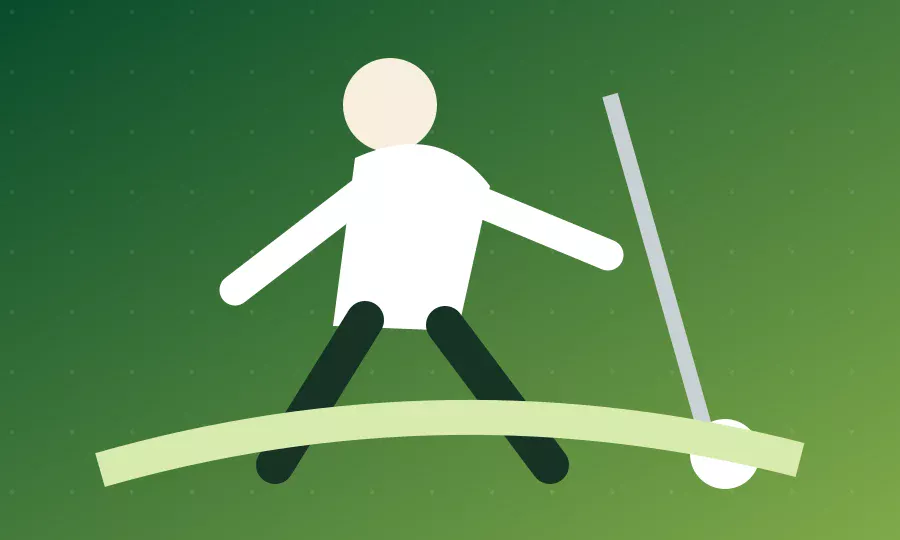
Use targets, safe margins and repeatable decisions rather than chasing a perfect-looking motion.
Common mistakes
- Swinging harder whenever contact is poor.
- Trying to hold the head perfectly still.
- Adding new advice from several sources in the same session.
How to judge progress
Look for a tighter pattern and better decisions over several shots or rounds. One unusually long drive, one holed chip or one perfect purchase comparison should not outweigh the ordinary results you can repeat.
Record only information that changes a decision: typical carry, common miss, useful landing area, comfort, durability or the rule that applies. This keeps improvement measurable without turning golf into constant analysis.
Next step
Choose one point from this guide, apply it in a safe practice setting, and then test it during ordinary play. Keep what improves the pattern and remove what adds complexity without a clear benefit.