The driver has the least loft and longest shaft in many bags, which can magnify face-angle and contact errors. A useful tee shot is one that leaves a playable next shot.
What matters most
Good golf decisions begin by identifying the job of the shot or item. Distance, direction, lie, target, comfort and rules all matter, but not every factor deserves equal attention on every occasion.
- Tee height should suit the driver design and the strike you are trying to create.
- Choose a target corridor, not merely “the fairway.”
- Balance and face control usually matter more than maximum effort.
- A shorter club may be the better tee choice when the landing area narrows.
A practical way to work on it
Use a small number of repeatable tasks. A short, deliberate session usually teaches more than a long session in which every poor result produces a different correction.
- Practise alternating driver with a second tee club.
- Use foot spray or impact tape only as directed to see strike location.
- Track playable shots out of ten.
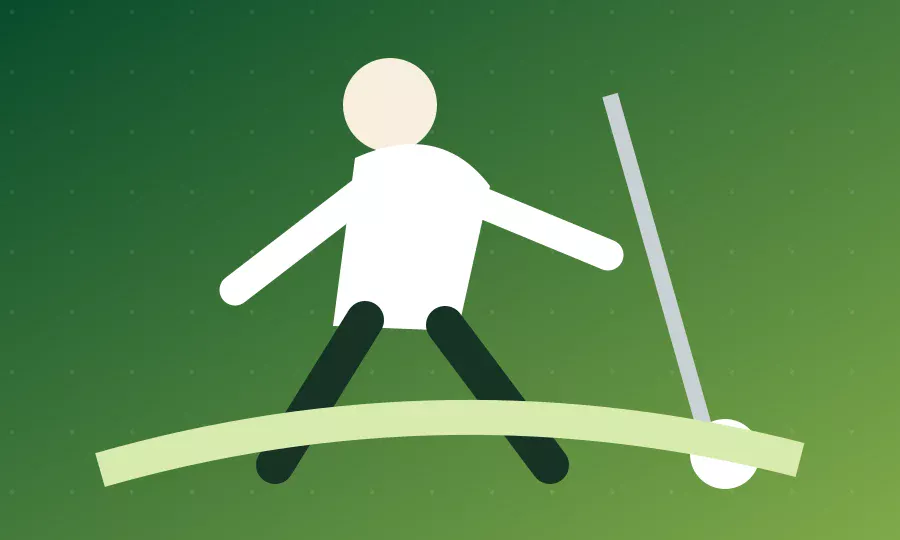
Use targets, safe margins and repeatable decisions rather than chasing a perfect-looking motion.
Common mistakes
- Aiming away from trouble without checking where the clubface points.
- Using the same tee height for every club.
- Trying to fix direction by swinging harder.
How to judge progress
Look for a tighter pattern and better decisions over several shots or rounds. One unusually long drive, one holed chip or one perfect purchase comparison should not outweigh the ordinary results you can repeat.
Record only information that changes a decision: typical carry, common miss, useful landing area, comfort, durability or the rule that applies. This keeps improvement measurable without turning golf into constant analysis.
Next step
Choose one point from this guide, apply it in a safe practice setting, and then test it during ordinary play. Keep what improves the pattern and remove what adds complexity without a clear benefit.